
⚡ Quick Answer
NVIDIA Cosmos 3 robotics could matter if it makes embodied AI easier to build, test, and deploy at lower cost. But a true ChatGPT moment for robotics would require not just better models, but broad developer adoption, reliable sim-to-real transfer, and useful deployment economics.
NVIDIA Cosmos 3 robotics arrives with a very seductive label: the ChatGPT moment for robotics. Catchy, sure. But that's a brutal bar to clear. Robotics doesn't break open because a demo looks smooth for 90 seconds. It breaks open when developers can ship useful embodied systems without sinking into data collection, sim tuning, safety work, and ugly hardware tradeoffs. That's the real exam. We'd argue Cosmos 3 has to pass that one.
What is NVIDIA Cosmos 3 robotics, really?
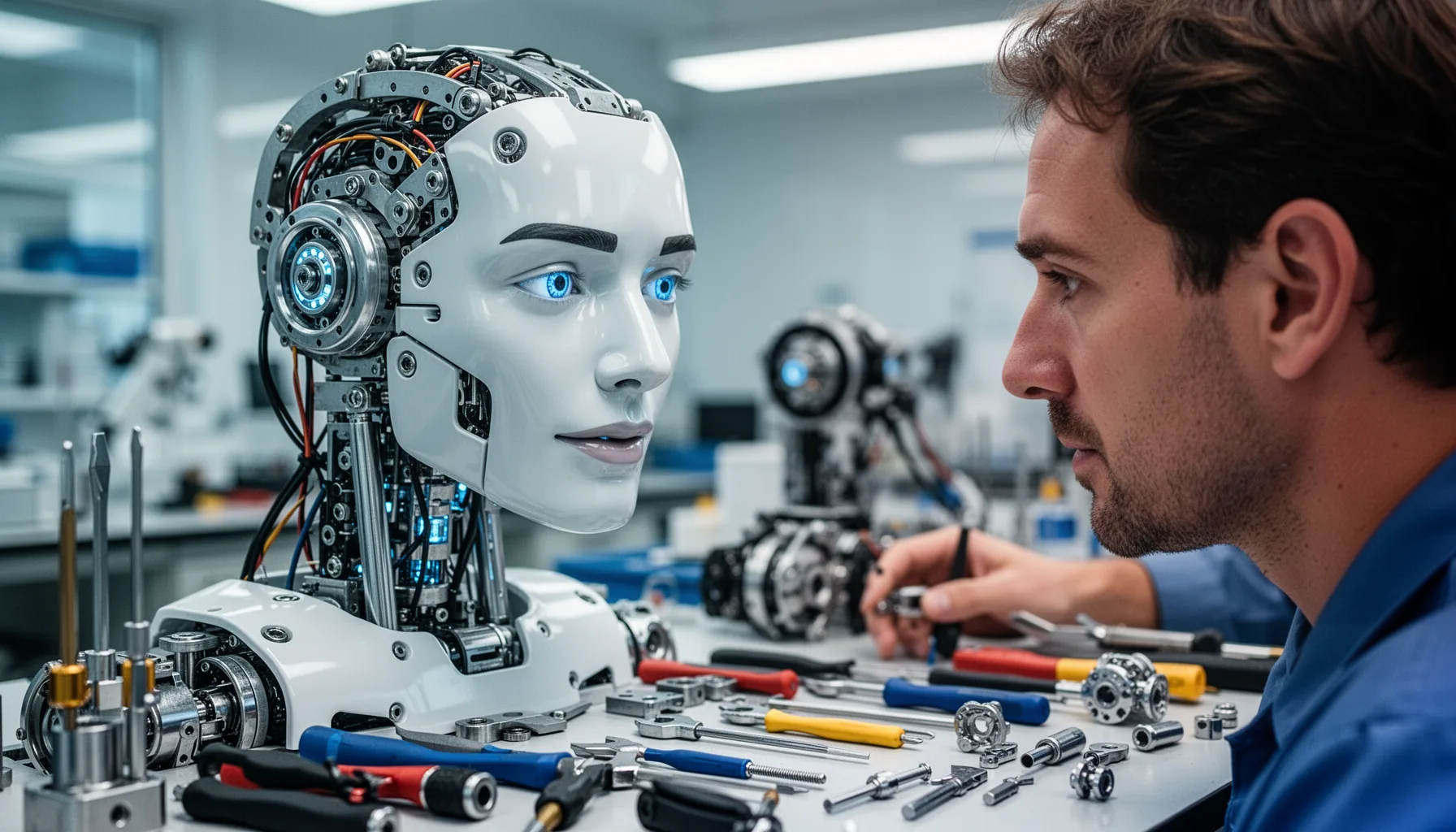
NVIDIA Cosmos 3 robotics makes the most sense as a mix of foundation model, world-model stack, and developer platform for embodied AI. That's the part a lot of headlines smear together. The distinction matters because robotics teams need to know what Cosmos 3 actually does. Does it generate synthetic data? Predict physical dynamics? Support policy learning? Or sit beside NVIDIA Isaac and Omniverse as tooling? If it behaves mainly like a world-model layer, the upside comes from compressing messy real-world interaction into trainable simulation and planning signals. Short version: abstraction pays. If it acts more like a broader platform, the upside shifts toward workflow, integration, and deployment support. NVIDIA has spent years assembling this machinery through Isaac Sim, Jetson, CUDA, TensorRT, and Omniverse-based simulation, so Cosmos 3 probably matters most as connective tissue, not as one magical model. That's a bigger shift than it sounds. We think that's the honest frame. In robotics, the stack tends to win more often than the slogan. Not quite magic.
What would a ChatGPT moment for robotics actually look like?
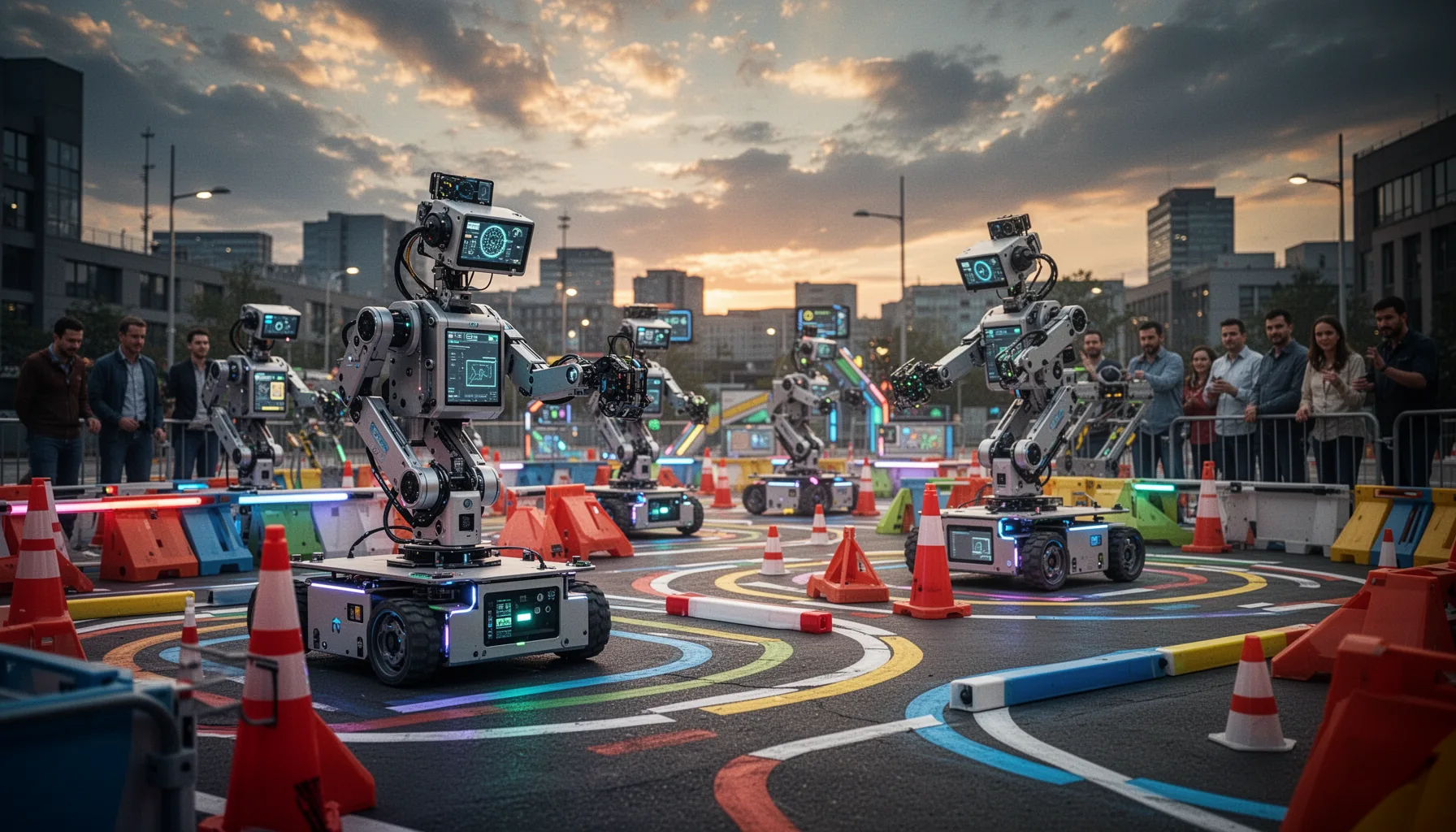
A real ChatGPT moment for robotics would mean ordinary developers could build useful robot behaviors far faster, with less bespoke data and a lot less systems pain. That's a very high bar. ChatGPT took off because people could try it instantly, understand the interface, and get value without touching model training, benchmark curation, or hardware integration. Robotics is harsher. The output isn't text on a screen; it's physical action in uncertain places. So if Cosmos 3 deserves that comparison, it would need to improve generalization across tasks, reduce the amount of real-world demonstration data teams rely on, and lower deployment costs for everything from warehouse bots to humanoids. Take Figure AI or Agility Robotics. Both need intelligence, yes, but they also need repeatable execution across long-tail edge cases in real environments. If developers still need months of sim tuning and teleoperation before they can ship a policy, we don't have a ChatGPT moment. We have a better toolkit. Worth noting.
How does NVIDIA Cosmos 3 explained compare with Isaac and RT-X-style approaches?
NVIDIA Cosmos 3 explained plainly belongs in a crowded field that already includes Isaac, RT-X-style research, and open embodied AI efforts. That's the context people sometimes skip. Google's RT-2, along with the broader Open X-Embodiment and RT-X direction, pushed the idea that internet-scale vision-language priors could improve robot control when grounded in robotic data. That's a useful baseline. NVIDIA's advantage comes from vertical integration: it controls big pieces of the compute, simulation, deployment, and optimization stack, which can give builders a cleaner path from training to inference than a patchwork of open tools. But RT-X-style work has already shaped the field by showing that cross-robot datasets and shared action abstractions can improve transfer, even if results still vary a lot across hardware. Meanwhile, Isaac remains a major reference point because it already gives teams simulation, perception tools, and deployment pipelines that many startups trust. Think of Covariant here. Our read is simple. Cosmos 3 only stands apart if it sharply cuts the friction between synthetic training, policy learning, and real-world execution. Otherwise, it risks looking like one more layer piled onto an already dense robotics stack. Here's the thing: density isn't the same as progress.
Can NVIDIA embodied AI platform solve the last-mile problems in robotics?
The NVIDIA embodied AI platform may give teams a real leg up on last-mile robotics problems, but it won't make those problems disappear. That's the uncomfortable bit. The hard parts stay ugly and physical: sparse data for rare failures, brittle sim-to-real transfer, power-constrained inference on robots, and safety validation in environments that change by the hour. That's why robotics progress feels slower than AI hype suggests. A warehouse robot from Covariant or a mobile manipulator tested in hospitals doesn't fail because the benchmark headline was weak. It fails because lighting shifts, wheel slippage, object pose variation, or human unpredictability breaks assumptions that looked fine in simulation. Standards work matters too, from ISO 10218 industrial robot safety guidance to ISO/TS 15066 for collaborative robot operation, because deployment isn't just a model story. And if Cosmos 3 improves synthetic data quality or world prediction but still requires massive hand-tuning before certification, then the metaphor oversells reality. We'd argue that's not trivial. The last mile in robotics is mostly dependable execution under constraint. Simple enough.
Key Statistics
Frequently Asked Questions
Key Takeaways
- ✓NVIDIA Cosmos 3 robotics needs a clear stack story, not just a catchy metaphor.
- ✓A robotics ChatGPT moment means adoption, generalization, and deployment economics improving together.
- ✓World models alone won't solve safety certification or on-device inference constraints.
- ✓Isaac, RT-X-style systems, and open benchmarks still shape the competitive picture.
- ✓The last mile in robotics is physical reliability, not model demos.