
⚡ Quick Answer
Voice AI in India challenges are real because accents, code-switching, noisy environments, and mixed-language speech still break many models. Wispr Flow is betting that a Hinglish-first product can turn those weaknesses into adoption, especially for users who dictate the way they actually speak.
Voice AI in India hasn't gotten easier just because startups and platform giants are paying attention again. That's the tension sitting underneath Wispr Flow's latest move. The company says growth in India picked up after it launched Hinglish support, and that claim is consequential because India remains one of the toughest serious markets for speech products. Big population. Hard rollout. If Wispr Flow can make mixed-language dictation work at scale, it won't just pick up users; it may point to a larger truth about how voice software has to be made for India.
Why voice AI struggles in India even now

Voice AI in India keeps running into trouble because most speech systems still stumble when people switch between English and Indian languages in messy, real-world situations. That's the snag vendors keep hitting. Indian users rarely speak in one tidy language stream; they blend Hindi and English, shift pronunciation by region, and dictate with traffic outside, a fan overhead, or a weak microphone in the mix. According to Google and Kantar's widely cited internet-language research on India, a large share of users prefer local-language or mixed-language experiences over English-only interfaces, which makes monolingual voice design a bad fit from the start. And that gap isn't theoretical. It dents retention. We've seen this movie on smartphones, where people try voice typing once, laugh at the errors, and head straight back to the keyboard. Not quite. Our view is blunt: if a model can't manage code-switching and accent spread, it isn't truly built for India, no matter how slick the demo feels. That's a bigger shift than it sounds. Think of Gboard in a Delhi metro ride.
What Wispr Flow India Hinglish rollout is trying to fix

Wispr Flow's Hinglish push in India looks aimed squarely at the behavior that snaps generic dictation tools in half: mixed-language speech delivered at ordinary conversational speed. That's a smart call. Instead of pushing users toward formal Hindi or standardized English, the product is trying to catch how people actually speak in work chats, notes, and prompts, where a sentence may open in English and land in Hindi. The company says growth in India accelerated after the rollout, and while it still hasn't shared full country-level user numbers, that directional claim lines up with a broader market reality: products shaped around local speech habits tend to earn trust faster. Consider Microsoft, Google, and OpenAI-linked ecosystems. They've all had to localize aggressively across speech and input layers, not just UI text. Dictation is unforgiving. One bad noun. One wrong proper name. The whole sentence feels off. We'd argue Wispr Flow isn't only betting on India as a market; it's betting that a Hinglish voice AI app has to feel native in cadence, not just in word choice. Worth noting. Think about Satya Nadella's Microsoft stack, which keeps adapting at the input layer.
Can Wispr Flow review India users change the best voice AI for Indian accents debate?
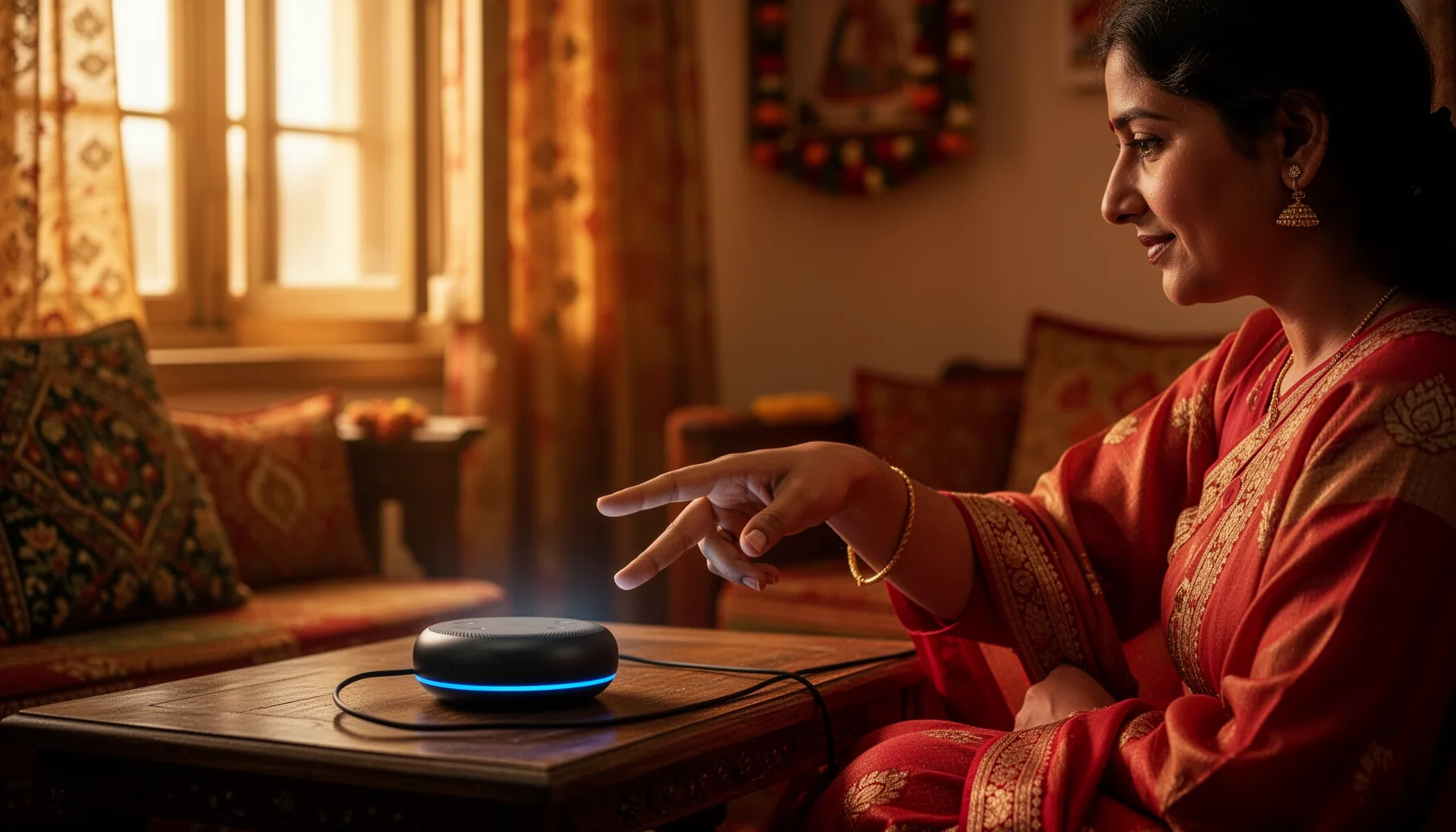
Any Wispr Flow review India readers take seriously will hinge on one thing: noticeable gains in everyday accuracy, not polished claims from the startup. That's the bar. Indian consumers and professionals have heard big promises from speech tools for years, yet many still run into trouble with names, regional pronunciation, punctuation, and mixed-language commands. In 2024, Canalys and IDC both pointed to India as one of the fastest-growing PC and smartphone markets by volume, which matters because input tools live or die by device reach and daily workflow habits. So yes, the opening is huge. But the scrutiny is just as real. The best voice AI for Indian accents won't be the one with the loudest launch; it'll be the one that survives office jargon, family names, startup slang, and midnight dictation from a budget Android phone. Here's the thing. Early user sentiment, creator reviews, and retention curves in India will probably tell us more than glossy launch metrics ever will. We'd watch that closely. Picture a Xiaomi handset in Lucknow, not a pristine demo booth.
What a good Hinglish voice AI app needs to get right

A solid Hinglish voice AI app needs accurate code-switching, low-latency transcription, strong punctuation recovery, and real tolerance for regional pronunciation. Miss even one, and people notice quickly. India isn't one accent market. It's layered. Delhi English, Mumbai Hindi-English blends, Bengaluru tech slang, and Punjabi- or Tamil-inflected English can sound sharply different from one another. Mozilla's Common Voice project has repeatedly pointed to the data shortage problem across many languages and accents, and that gap still shapes commercial systems that claim wide coverage. Here's the thing: users don't grade voice AI the way researchers grade benchmarks. They care whether it gets 'Kal' versus 'call,' whether it mangles 'UPI,' and whether it turns a Hinglish message into something awkwardly formal. Products like Google Gboard voice typing got better because they optimized for fast, forgiving mobile use rather than lab-clean transcripts. Wispr Flow now has to prove it can pull off something similar in desktop and productivity settings, where errors cost more. That's not trivial. Ask anyone dictating notes in Bengaluru between meetings.
What voice AI in India challenges mean for the market next
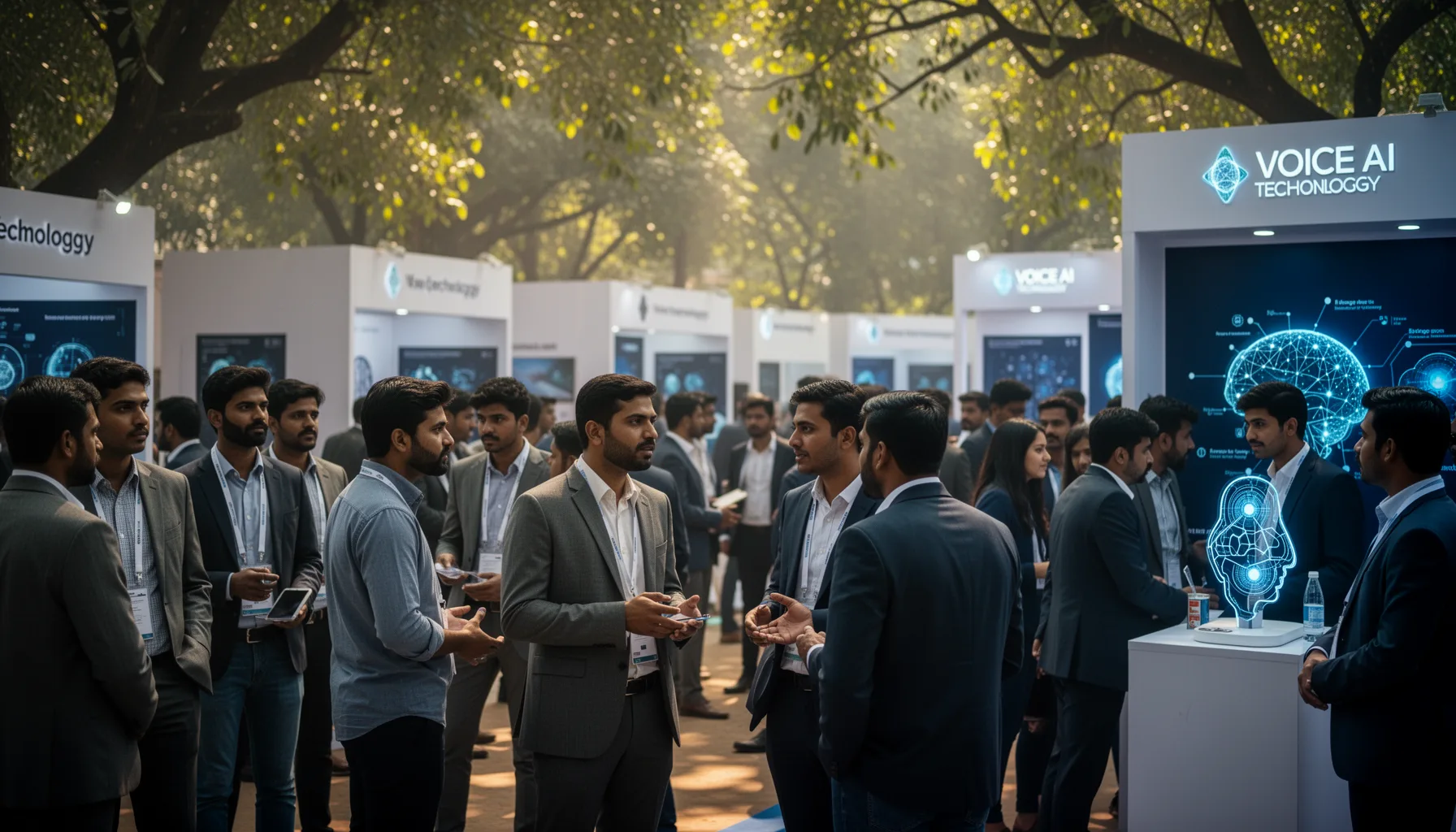
Voice AI in India will probably push the market toward narrower, more localized products before any single platform becomes truly universal. That's not a flaw. It's how language markets usually grow up. We expect startups like Wispr Flow to zero in on high-frequency jobs such as dictation for messaging, note-taking, prompt input, and workplace writing, while larger companies treat speech as one layer inside a much bigger ecosystem. Amazon's Alexa business, for instance, taught the whole sector that voice adoption can look great in install numbers yet still disappoint in repeated use when the experience feels fragile. India adds another twist because multilingual behavior isn't some edge case; it's the default pattern. So the winners may be the companies that train for code-switching, test in noisy settings, and tune models around Indian names, places, and products. Simple enough. If Wispr Flow keeps showing traction after its Hinglish rollout, it could become a useful case study for why voice AI in India demands local design rather than recycled global models. We'd argue that's the real story. Alexa is the obvious cautionary example.
Key Statistics
Frequently Asked Questions
Key Takeaways
- ✓Voice AI in India still runs into two big obstacles: accent variation and constant language mixing.
- ✓Wispr Flow says its Hinglish rollout in India led to stronger local growth.
- ✓A good Hinglish voice AI app has to manage code-switching without clumsy corrections.
- ✓Indian users care less about polished demos and more about real dictation accuracy in daily life.
- ✓The best voice AI for Indian accents will probably come from local training, not one-size-fits-all global models.