
⚡ Quick Answer
The Walmart Sparky ChatGPT partnership matters because it moves retail AI toward assisted discovery inside chat instead of forcing instant transactions. OpenAI’s rethink of Instant Checkout likely reflects trust, liability, and merchant integration issues that are harder than product demos suggest.
The Walmart Sparky ChatGPT partnership doesn't look like just another retailer bolting itself onto a chatbot. It's a marker. And the bigger story may have less to do with buying inside chat than with catching shopping intent before a customer even opens an app. OpenAI seems to be reworking Instant Checkout at the same moment, which makes the whole strategy look less inconsistent than it first appeared. That feels intentional.
What does the Walmart Sparky ChatGPT partnership actually change?
The Walmart Sparky ChatGPT partnership shifts the starting line for product discovery. Instead of waiting for someone to open the Walmart app, Walmart now has a route into the conversational research phase inside ChatGPT. That's a real distribution advantage. Discovery is where preferences take shape, alternatives get trimmed, and high-intent sessions often begin. If Walmart meets users there through Sparky, it gets a say before classic search ads or app merchandising take over. Think of a parent in Phoenix asking ChatGPT for back-to-school essentials on a budget. A session that surfaces Walmart-linked suggestions can reshape the shortlist before Amazon, Target, or Google Shopping fully show up. Retail Dive's report matters because it points to a wider commerce shift: AI assistants are becoming the front door, not merely the help desk. We'd argue that placement inside AI assistants could become as consequential as ranking on traditional search pages. That's a bigger shift than it sounds.
Why is OpenAI Instant Checkout rethink more rational than it sounds?
OpenAI's Instant Checkout rethink likely reflects operational reality rather than retreat. Checkout looks tidy in demos, but payments, returns, substitutions, fraud controls, taxes, merchant terms, and customer support create a dense mess of liability. Not quite. One broken order flow can bruise a brand more than a thousand smooth recommendation sessions can repair. That's the blunt truth. OpenAI probably sees more upside in helping users narrow options, then passing the transaction to merchants that already run fulfillment and service. Shopify is the obvious example here. The company has spent years working through merchant tooling, and even then commerce complexity stays stubbornly hard to tame. By backing away from forced in-chat checkout, OpenAI may avoid owning the nastiest slice of retail while still capturing the strategic piece: intent. Less flashy. Probably smarter. Worth noting.
How does Walmart Sparky in ChatGPT explained compare with retail app journeys?
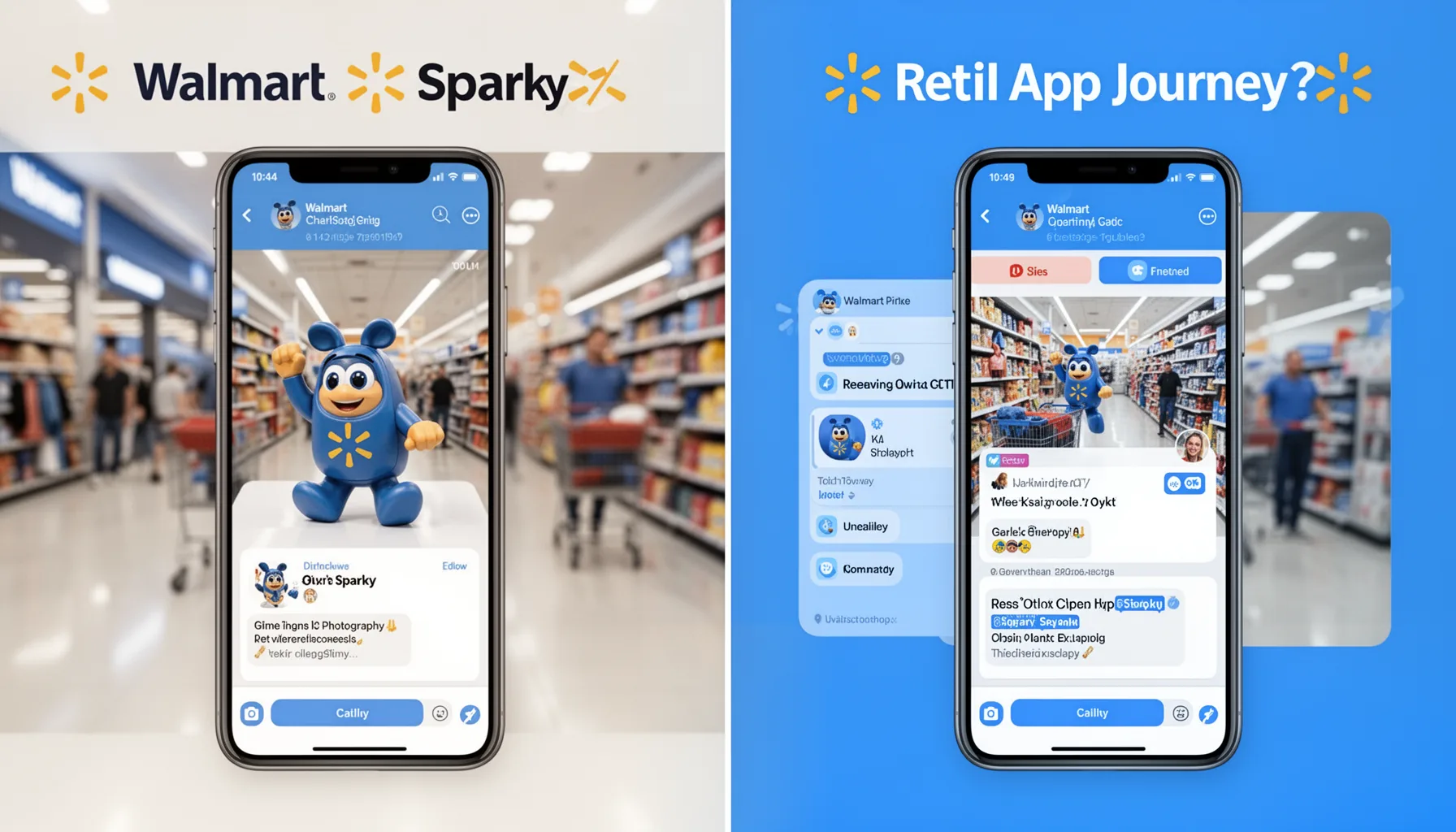
Walmart Sparky in ChatGPT explained really comes down to a single shift: the shopping funnel now gets split across platforms. In Walmart's own app, the company controls search ranking, promotions, sponsored placements, reviews, and checkout from end to end. Inside ChatGPT, though, Walmart may shape discovery and recommendations while the session itself begins in OpenAI's environment, where intent arrives in natural language rather than category menus. That changes behavior. A shopper might ask, "What do I need for a dorm room under $300?" and get a curated path that feels more like advice than aisle-by-aisle browsing. Here's the thing. Walmart's edge is breadth: groceries, electronics, household goods, school items, and seasonal basics all fit these wide intent queries. Still, the app remains stronger for repeat purchases, loyalty mechanics, and detailed cart management. So the partnership doesn't replace Walmart's app. It places Walmart earlier in the decision chain. We'd argue that's not trivial.
What do retail AI shopping assistant trends 2026 point to?
Retail AI shopping assistant trends 2026 point toward assisted discovery, merchant handoffs, and a different ad economy. The assistants that win likely won't just answer product questions; they'll compress comparison shopping, interpret fuzzy intent, and send users toward trusted merchants with enough metadata to finish the sale somewhere else. That could shift the ad market too. Recommendation placement inside AI answers may turn into premium inventory if regulators and disclosure rules permit it. Amazon, Walmart, Instacart, and Shopify all have reason to pay close attention. Instacart is a concrete case. It has already shown how AI can steer meal planning and basket-building, which sits much closer to assisted commerce than old-school search ever did. And if ChatGPT becomes the planner while Walmart becomes the fulfiller, questions around margin power and traffic ownership get pretty interesting, pretty fast. We think the takeaway is simple: retail AI won't kill apps, but it will punish merchants that wait too long to connect with assistant-led discovery. Worth watching.
Step-by-Step Guide
- 1
Track the discovery entry point
Map where a shopper first expresses intent: search engine, retailer app, social platform, or chatbot. If that first intent now happens in ChatGPT, the retail funnel begins earlier than many analytics teams measure. Brands need to watch this closely. The first touch may no longer be a click.
- 2
Compare AI and app shopping journeys
Run the same product mission through ChatGPT, the Walmart app, and a marketplace-native experience. Measure recommendation quality, time to shortlist, and number of steps before purchase. This exposes where conversational discovery wins and where app-native flows still dominate. User journey analysis beats headline reading.
- 3
Separate discovery from transaction
Treat recommendation and checkout as different product problems. Discovery thrives on language, context, and comparison. Checkout demands payment trust, inventory precision, and service recovery. OpenAI appears to be learning that these layers don't need the same owner.
- 4
Evaluate merchant integration complexity
Ask what data and operations a merchant must expose for AI commerce to work well. Product metadata, shipping estimates, return policies, stock levels, and pricing updates all matter. If any of those feeds are sloppy, the assistant experience degrades fast. Retail partnerships live or die on data hygiene.
- 5
Reassess ad and attribution models
Review whether your current media model assumes search engines and retailer apps own the top of funnel. AI assistants may reroute discovery, which muddies attribution and could reduce the value of some legacy placements. Teams should start testing new measurement methods now. Otherwise spend optimization lags reality.
- 6
Link this story to broader ChatGPT ecosystem shifts
Read this partnership as part of a product strategy, not a one-off feature test. It ties back to broader questions about OpenAI’s platform role, merchant relationships, and assistant-led discovery. For a wider view of ChatGPT experience shifts, readers should return to pillar topic 377. The ecosystem story is bigger than retail alone.
Key Statistics
Frequently Asked Questions
Key Takeaways
- ✓Walmart gets visibility at the top of AI-driven shopping discovery inside ChatGPT.
- ✓OpenAI may dodge checkout friction by concentrating on intent, recommendations, and merchant handoff.
- ✓Retail AI is shifting away from pure transaction compression and toward guided product discovery.
- ✓In-chat commerce reshapes search traffic, ad value, and marketplace funnel design.
- ✓The user journey matters more now than the novelty of buying inside chat.