
⚡ Quick Answer
ZSky AI vs Leonardo AI is really a debate between curated simplicity and extensive model choice. Leonardo AI offers a broader model menu and deeper experimentation, while ZSky AI appeals to users who want fewer decisions and free access.
ZSky AI vs Leonardo AI gets interesting fast because these tools make opposite bets on what creators actually want from an image platform. Pretty different. Leonardo leans into abundance and suggests more choice usually beats less. ZSky AI seems to make the opposite call: too many options can bog people down before they even start. Both views hold up. And both can irritate the wrong user. That's why the model menu matters more than most people expect. We'd argue that's a bigger shift than it sounds.
ZSky AI vs Leonardo AI: why does the model menu matter so much?
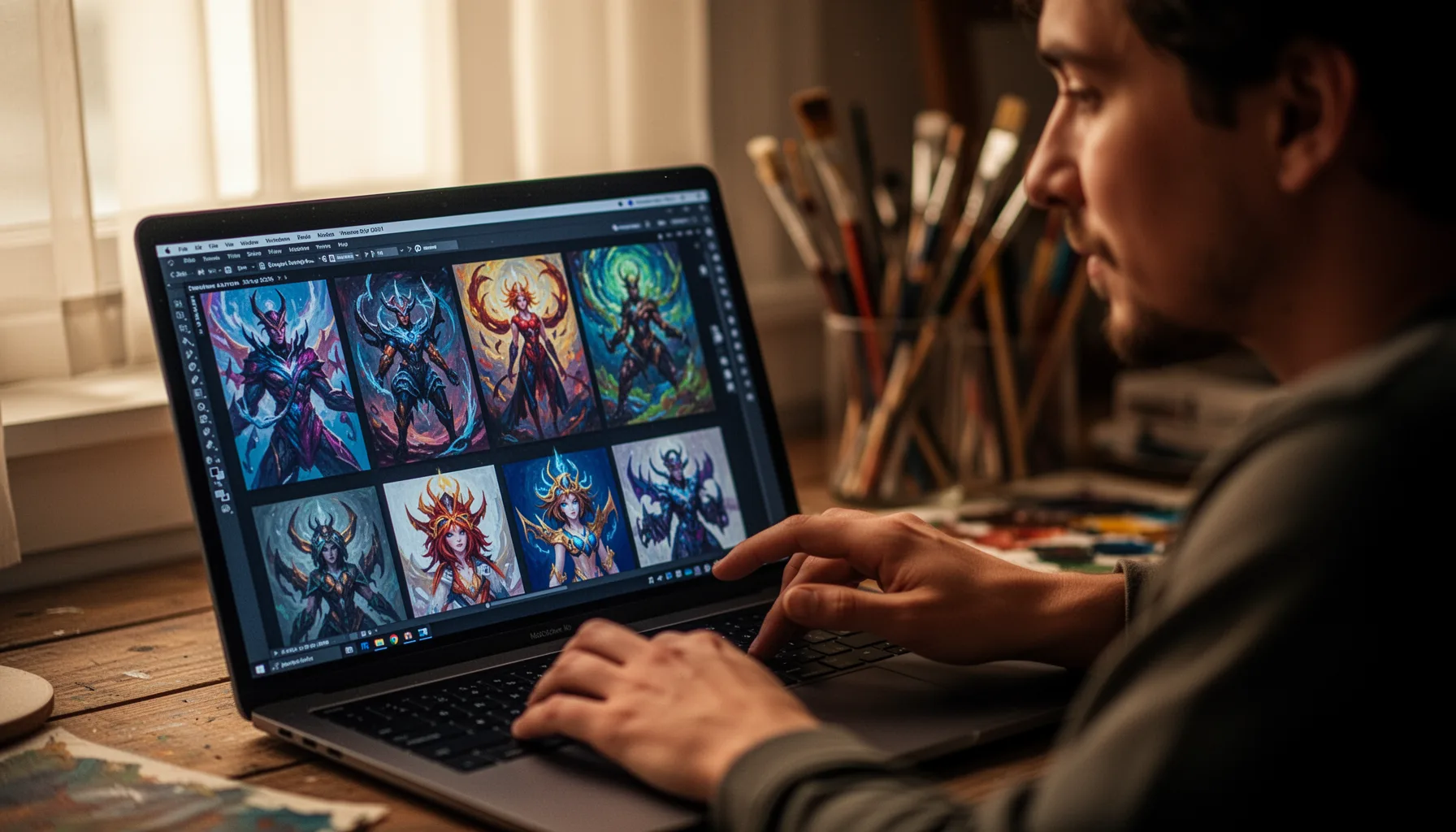
ZSky AI vs Leonardo AI matters because the model menu shapes more than output style; it nudges the entire creative workflow in one direction or another. That's the real issue. Leonardo AI built much of its draw around a long list of model choices, including base models, style-tuned variants, and community-facing presets for anime, cinematic scenes, game assets, and more. That range can be a real edge. It lets advanced users match the model to the job instead of funneling every prompt through one catch-all engine. But more choice doesn't always win. Choice overload is real, and teams at Netflix and Figma have both learned that too many visible settings can slow first-time engagement. Worth noting. ZSky AI's smaller curated set likely gives up some stylistic range, yet it also cuts down on wrong turns, which can make the product feel lighter and quicker. Simple enough. We'd argue that's a sensible trade if most of your audience looks more like a Canva beginner than a concept artist who wants total control.
How does Leonardo AI model menu compared with ZSky AI in practice?
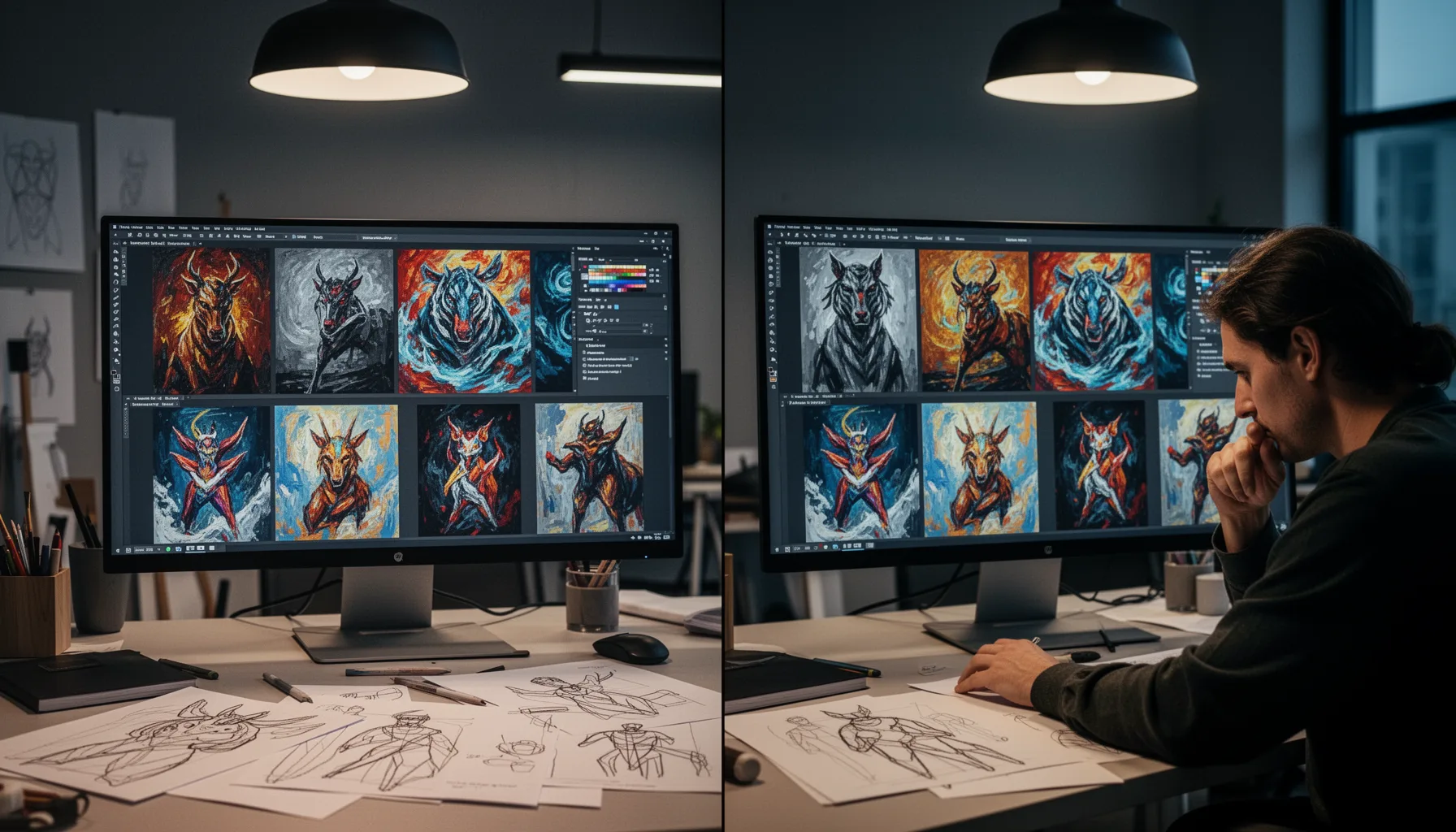
Leonardo AI model menu compared with ZSky AI is broader, more specialized, and usually a better fit for users who actually enjoy poking at settings. That's the practical truth. On Leonardo, users can jump across visual styles and generation behaviors without leaving the platform, which mirrors the 'many models under one roof' pitch that has helped it stand out against simpler rivals. And that matters. Leonardo has also put real effort into training features, asset generation, and game-art workflows, which gives the model lineup a stronger sense of purpose than a random pile of tools. Not quite a gimmick. A game studio prototyping armor concepts, say Bungie or even a small indie team, can test several aesthetic directions in one workspace instead of bouncing between apps. ZSky AI feels more opinionated by comparison. It probably won't offer the same depth. But it may get users to a first image faster if they don't want to study a model catalog before making anything. That's a bigger shift than it sounds.
Is ZSky AI or Leonardo for image generation better for beginners?

ZSky AI or Leonardo for image generation is usually easier for beginners when the person choosing it wants less setup and fewer creative decisions right out of the gate. That's the key. Leonardo isn't hard exactly, but it does ask users to understand more upfront. Model names, style differences, credit systems, and generation options can all be useful, yet they also add cognitive drag for someone who just wants an image for a blog post, poster mockup, or social asset. So the beginner question isn't really about intelligence. It's about patience. Canva's AI features picked up traction partly because they hide complexity instead of celebrating it, and that same logic applies here. Worth noting. ZSky AI's tighter approach may irritate advanced users who crave control, but for newcomers, a narrower lane can feel like relief. We'd argue beginner-friendly tools should make the first good result feel almost inevitable, not like a mini course in image generation. Here's the thing.
Free ai image generator vs Leonardo AI: when does the free option make more sense?
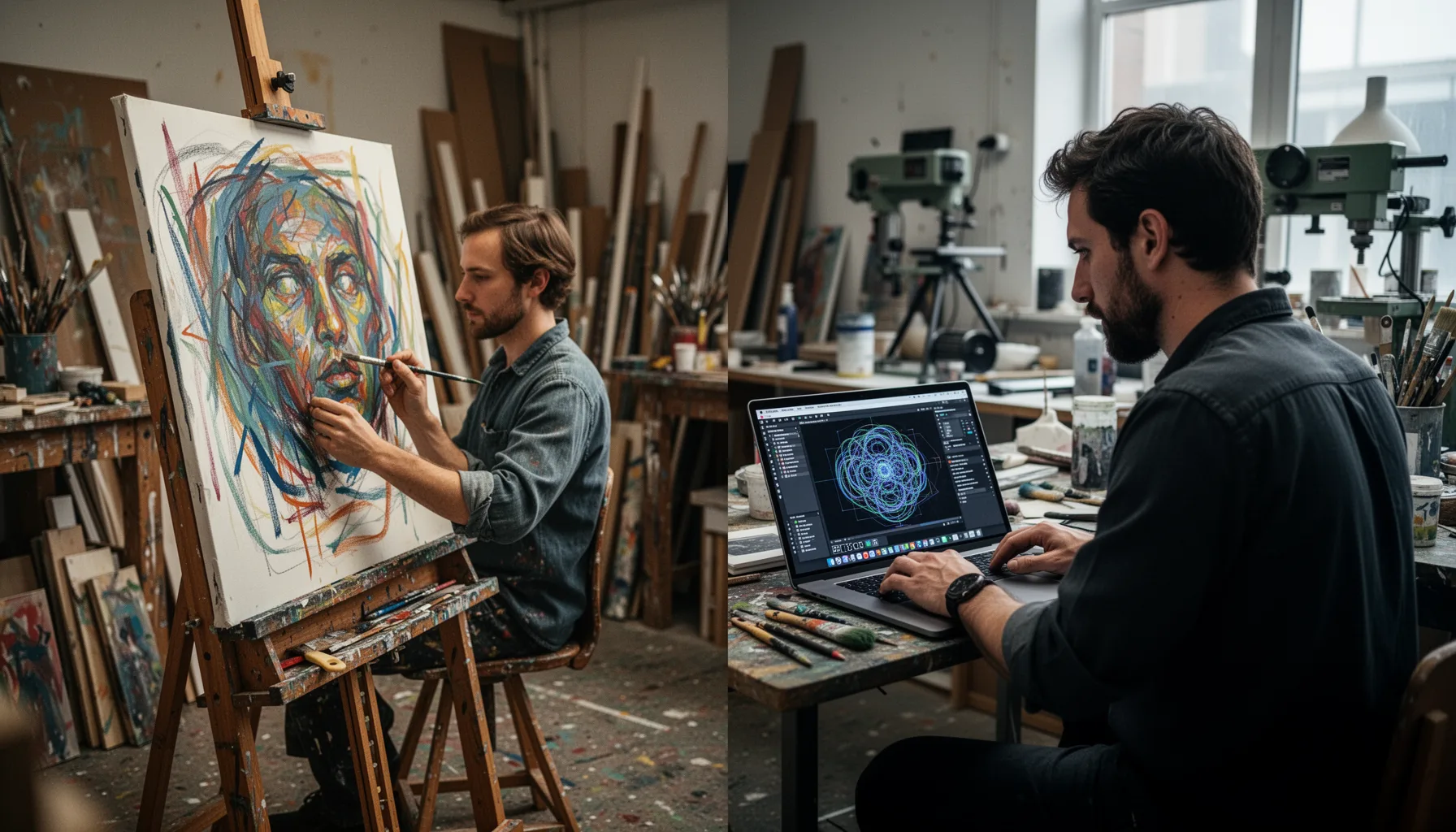
A free ai image generator vs Leonardo AI makes more sense when your task doesn't call for model hunting or highly specific style control. That's where free tools can quietly beat feature-rich platforms on day-to-day utility. If you're producing moodboards, thumbnail concepts, rough ad visuals, or lightweight content art, the extra precision from a larger model menu may not justify the extra time. And time is a cost. Even when nobody invoices for it. Leonardo's free tier has historically offered limited daily credits, while paid plans unlock heavier usage and more features, according to its published pricing structure. ZSky AI gets more appealing when users can generate freely without watching every prompt like a taxi meter. A freelance marketer making six concept directions for a client deck, maybe for a brand like Glossier, may get further with low-friction volume than with a premium tool that nudges constant model switching. Free wins when momentum matters more than control. We'd say that's not trivial.
Key Statistics
Frequently Asked Questions
Key Takeaways
- ✓Leonardo AI offers many more models, styles, and community-driven image options.
- ✓ZSky AI keeps the model menu smaller, so decisions feel easier for beginners.
- ✓If you like experimentation, Leonardo AI gives you more room to test directions.
- ✓If you hate setup friction, ZSky AI may feel faster and less distracting.
- ✓The better platform depends on whether you value choice or a cleaner starting point.